





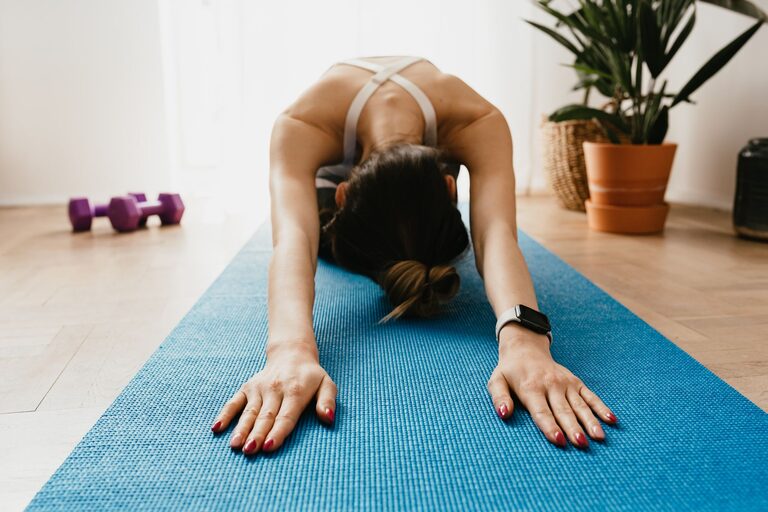
Stretching is a simple yet powerful way to enhance your physical health. Whether you want to improve your flexibility, relieve muscle tension, or prepare your body for exercise, stretching at home is a convenient and accessible option. This beginner’s guide will walk you through everything you need to know to start stretching safely and effectively from the comfort of your own space.
Why Stretching Matters
Stretching offers many benefits beyond just improving flexibility. Regular stretching can:
– Increase blood flow to muscles
– Improve posture
– Reduce the risk of injuries
– Help relieve stress and muscle tension
– Enhance overall body awareness
Even if you’re not an athlete or fitness enthusiast, incorporating stretching into your routine can boost your comfort and mobility in everyday activities.
Preparing to Stretch at Home
Before you start, it’s important to set yourself up for success:
– Choose a quiet, comfortable space: Find a spot with enough room to move freely without obstructions. A yoga mat or soft carpet works well.
– Wear comfortable clothing: Choose stretchy, breathable clothes that allow full range of motion.
– Set a time: Aim for 10-15 minutes daily or several times a week to build a steady habit.
– Warm up briefly: Stretching cold muscles isn’t ideal. Do a light warm-up like walking or marching in place for 3-5 minutes before stretching.
Basic Types of Stretching
There are two main types of stretching you should know about:
1. Static Stretching
This involves holding a stretch in one position for 15-60 seconds. It helps increase flexibility over time. Examples include touching your toes or stretching your arms overhead. Static stretching is best done after your muscles are warm.
2. Dynamic Stretching
Dynamic stretching uses controlled movements to gently take muscles through their range of motion. It’s often used as part of a warm-up to prepare the body for activity. Examples are leg swings or arm circles.
For beginners, start with static stretches after warming up, and incorporate dynamic stretches into your routine as you get more comfortable.
Essential Beginner Stretches to Try
Here are some simple stretches that target major muscle groups and are suitable for beginners:
Neck Stretch
– Sit or stand tall.
– Slowly tilt your head to one side, bringing your ear toward your shoulder.
– Hold for 20-30 seconds, then switch sides.
Shoulder Stretch
– Bring your right arm across your chest.
– Use your left hand to gently press your right arm closer to your chest.
– Hold for 20-30 seconds, then switch arms.
Chest Stretch
– Stand facing a wall or doorway.
– Place your palm, forearm, and elbow against the surface.
– Slowly turn your body away from your arm to feel the stretch in your chest.
– Hold for 20-30 seconds, then switch sides.
Cat-Cow Stretch (Back)
– Start on your hands and knees in a tabletop position.
– Arch your back upwards, tucking your chin to your chest (Cat).
– Then lower your belly and lift your head and tailbone upwards (Cow).
– Repeat 5-10 times slowly.
Hamstring Stretch
– Sit on the floor with one leg extended and the other bent so that the sole touches the inner thigh.
– Reach toward the toes of the extended leg, keeping your back straight.
– Hold for 20-30 seconds, then switch legs.
Quadriceps Stretch
– Stand and hold onto a chair or wall for balance.
– Bend one knee, bringing your heel towards your buttocks.
– Grab your ankle with your hand and gently pull.
– Hold for 20-30 seconds, then switch legs.
Calf Stretch
– Stand facing a wall with one foot forward and one foot back.
– Keeping your back leg straight and heel on the ground, lean forward into the wall.
– Hold for 20-30 seconds, then switch legs.
Tips for Safe and Effective Stretching
– Don’t bounce: Stretch slowly and hold the position. Bouncing can cause injury.
– Breathe deeply: Relax your body and breathe normally while stretching. This helps muscles release tension.
– Avoid pain: Stretching should feel comfortable, not painful. Ease off if you feel sharp or intense pain.
– Maintain good posture: Keep your back straight and avoid slouching during stretches.
– Be consistent: Flexibility improves gradually with regular practice. Aim for at least 3-4 sessions per week.
Creating a Stretching Routine
To build an effective routine, consider the following structure:
- **Warm-up:** 3-5 minutes of light activity (marching, walking, or gentle jogging).
- **Dynamic stretches:** 5 minutes to prepare your muscles if you plan to exercise afterward.
- **Static stretches:** 10-15 minutes focusing on major muscle groups.
- **Cooldown:** Finish with slow deep breaths and gentle movements.
You can tailor your routine to your needs—for example, focusing more on areas that feel tight or muscles you use often.
When to Stretch
Stretching can fit into your day in many ways:
– In the morning to wake up your body
– Before or after exercise
– During breaks if you have a desk job
– In the evening to relax and unwind
Experiment with timing and find what feels best for your lifestyle.
Final Thoughts
Starting a stretching practice at home is an easy step toward better health and well-being. By dedicating a little time each day, you can increase your flexibility, reduce stiffness, and enjoy a more comfortable, active life. Remember to listen to your body, progress gradually, and have fun exploring different stretches!
Happy stretching!